
Business Compliance in South Africa – Legal Requirements Explained
Introduction
Running a successful business involves more than generating sales and managing employees. Business owners must also understand the legal requirements that apply to their operations.
In South Africa, businesses may have obligations involving company registration, tax, employment, information protection and industry-specific regulations. Ignoring these responsibilities can create financial and legal problems.
Understanding business compliance helps entrepreneurs operate responsibly, maintain accurate records and protect their businesses as they grow.
By Success Squared, South Africa

What Is Business Compliance?
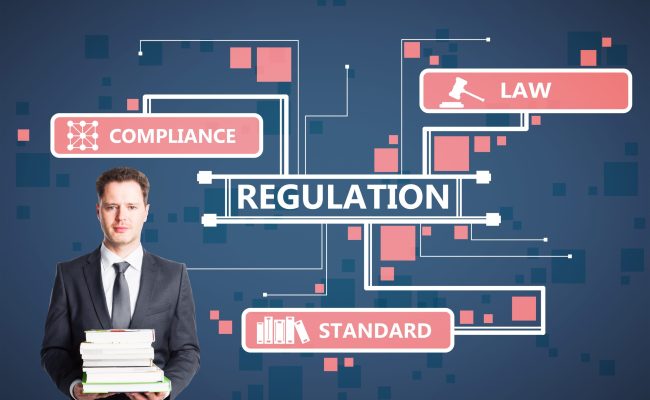
Business compliance means following the laws, regulations and administrative requirements that apply to a business.
These requirements depend on the business structure, industry, number of employees and activities.
For example, a registered private company has obligations involving CIPC. Employers must also understand applicable labour requirements and SARS registrations.
Keep Your Company Registration Details Updated
Registered companies must maintain accurate information with the Companies and Intellectual Property Commission (CIPC).
Businesses should monitor their company details and ensure that required filings are completed.
These obligations include annual returns and applicable beneficial ownership declarations.
CIPC warns that non-compliance can result in penalties and deregistration processes. Therefore, businesses should not treat annual returns as optional administration.
Understand Your Tax Responsibilities
Every business must understand its applicable tax obligations.
Depending on its activities, a business may need to consider:
Income tax.
Value-added tax (VAT), where registration is required or chosen.
Employees’ tax (PAYE).
Unemployment Insurance Fund contributions.
Skills Development Levy, where applicable.
Businesses should maintain proper financial records and submit required returns within applicable deadlines.
The correct tax treatment depends on the business structure and circumstances. Professional tax advice can help prevent costly mistakes.
Comply With Employment Laws
Businesses that employ workers must understand their labour responsibilities.
The Basic Conditions of Employment Act regulates important employment matters, including working hours, leave and remuneration.
The Labour Relations Act also addresses employment relationships and fair labour practices.
Employers should maintain clear employment agreements, accurate payroll records and appropriate workplace policies
Protect Customer and Employee Information
Businesses often collect personal information from customers, suppliers and employees.
The Protection of Personal Information Act (POPIA) establishes requirements for processing personal information responsibly.
Businesses should understand their responsibilities when collecting, storing, using and sharing personal information.
They should also review access controls, security measures, privacy notices and information-handling procedures.
Check Industry-Specific Requirements
Some industries require additional registrations, permits, licences or professional approvals.
For example, businesses operating in financial services, healthcare, construction and food services may face additional regulatory requirements.
Business owners should identify the rules that apply to their specific activities before trading.
What Happens When a Business Is Not Compliant?
Non-compliance can create several problems.
Businesses may face penalties, enforcement action, operational restrictions or disputes.
For example, failing to maintain CIPC compliance can result in deregistration proceedings. Incorrect employment practices may also expose employers to labour disputes.
A compliance review helps identify gaps before they become serious problems.
Build a Stronger Business Through Compliance
Business compliance should form part of everyday business management.
Regular reviews, accurate records and professional guidance can help businesses manage their obligations.
Success Squared Consulting encourages entrepreneurs to understand their legal responsibilities and build businesses on a stronger foundation.
Visit Success Squared Consulting to explore professional business support.
Frequently Asked Questions
What does business compliance mean in South Africa?
Business compliance means following applicable South African laws, regulations and administrative requirements when operating a business.
Does every registered company need to file annual returns?
Companies registered with CIPC generally have annual return obligations. They must also consider applicable beneficial ownership and financial information filing requirements.
What happens if a company does not comply with CIPC requirements?
Non-compliance can result in penalties and possible deregistration proceedings. Businesses should monitor filing deadlines and maintain accurate records.
Does a small business need to comply with POPIA?
Yes. Small businesses that process personal information must comply with applicable POPIA requirements. The obligations depend on the information and processing activities involved.
How can I keep my business legally compliant?
Maintain accurate records, monitor filing deadlines, understand your tax and employment obligations, protect personal information and seek professional guidance where necessary.