
Debt Collection in South Africa: What Businesses Can Legally Do to Recover Unpaid Debts
Introduction
Unpaid invoices can create serious financial pressure for businesses. When customers fail to pay on time, companies may struggle to cover operating expenses, supplier payments and employee salaries.
Debt collection is therefore an important part of responsible financial management.
However, businesses must understand the legal requirements before attempting to recover outstanding amounts. South African law regulates certain debt collection activities and protects consumers against unlawful collection practices.
By Success Squared, South Africa

What Is Debt Collection?
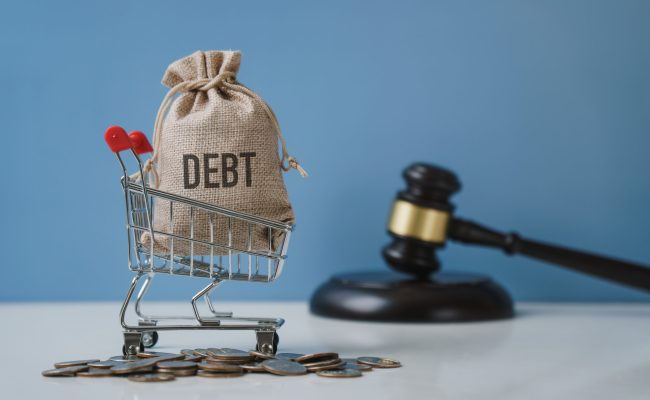
Debt collection is the process of recovering money owed by an individual or business.
It may involve outstanding invoices, unpaid service fees, contractual payments or other financial obligations.
Businesses can initially attempt to recover outstanding amounts through communication and payment arrangements.
When these efforts fail, formal legal recovery options may become necessary.
Why Do Businesses Experience Unpaid Debts?
Unpaid debts can happen for several reasons.
For example, customers may experience financial difficulties or dispute the quality of services received.
Other common causes include:
Unclear payment terms.
Incorrect invoices.
Poor payment follow-ups.
Incomplete contractual records.
Customer cash-flow problems.
Disagreements about completed work.
Clear contracts and accurate invoicing can help reduce these risks.
Start With Proper Payment Records
Before pursuing a debt, ensure that you have supporting documentation.
Useful records include:
Signed contracts or accepted quotations.
Invoices.
Delivery notes.
Proof of completed services.
Payment records.
Relevant emails and messages.
Written acknowledgements of outstanding amounts.
These documents can help establish the amount owed and the basis for the claim.
Send a Formal Payment Reminder or Demand
A business can begin by sending a written payment reminder.
If the amount remains unpaid, a formal letter of demand may be appropriate.
The letter should identify the debt, explain its basis, state the amount outstanding and provide a reasonable payment deadline.
It should also explain what further steps may follow if payment is not received.
The wording should remain professional and avoid threats or misleading statements.
Understand Debt Collection Laws in South Africa
Debt collection activities may be regulated by legislation such as the Debt Collectors Act.
The National Credit Act may also apply to certain credit agreements and debt recovery situations.
Businesses should understand which laws apply to the particular debt before taking action.
Where a person or organisation collects debts on behalf of another party, registration requirements may apply under the Debt Collectors Act.
What Happens When a Debtor Refuses to Pay?
If reasonable collection efforts fail, a business may consider legal recovery proceedings.
The appropriate process depends on the amount, nature of the claim and relevant court jurisdiction.
Legal proceedings may involve issuing a summons and presenting supporting evidence.
A business should obtain legal guidance before proceeding to ensure that the correct process is followed.
How Can Businesses Prevent Future Payment Problems?
Businesses can reduce payment risks by introducing clear credit-control procedures.
Consider these measures:
Use written contracts.
Confirm payment deadlines.
Invoice promptly.
Follow up on overdue accounts.
Keep accurate customer records.
Assess credit risks before offering payment terms.
Document payment arrangements.
Consistent financial administration can improve cash flow and reduce disputes.
Protect Your Business From Unpaid Debts
Unpaid invoices can affect business growth and financial stability.
Having clear contracts, reliable records and appropriate recovery procedures can help businesses manage outstanding payments.
Success Squared Consulting encourages business owners to understand their contractual rights and responsibilities when dealing with unpaid debts.
Visit Success Squared Consulting to explore professional business support.
Frequently Asked Questions
Can a business legally collect unpaid debts in South Africa?
Yes. Businesses can pursue legitimate outstanding debts through appropriate collection processes, provided they comply with applicable laws.
What is a letter of demand?
A letter of demand is a formal written request requiring a debtor to settle an outstanding amount within a specified period.
Can I take a customer to court for not paying an invoice?
A business may pursue legal recovery proceedings where a valid debt remains unpaid. The correct procedure depends on the circumstances and applicable court jurisdiction.
Do debt collectors need to register in South Africa?
Persons or entities performing debt collection activities covered by the Debt Collectors Act may be required to register. The applicable legal position should be checked before collection activities begin.
How can a business prevent unpaid invoices?
Businesses should use clear payment terms, written agreements, prompt invoicing, accurate records and consistent follow-up procedures.