
Service Level Agreements in South Africa – Why Your Business Needs One
Introduction
Businesses often depend on suppliers and service providers to keep their operations running smoothly. These relationships may involve IT support, cleaning, maintenance, marketing, security or professional consulting.
However, problems can arise when service expectations are unclear. A service provider may have a different understanding of what the customer expects.
A Service Level Agreement (SLA) helps prevent these misunderstandings. It establishes clear service standards, responsibilities and performance expectations between the parties.
By Success Squared, South Africa

What Is a Service Level Agreement?
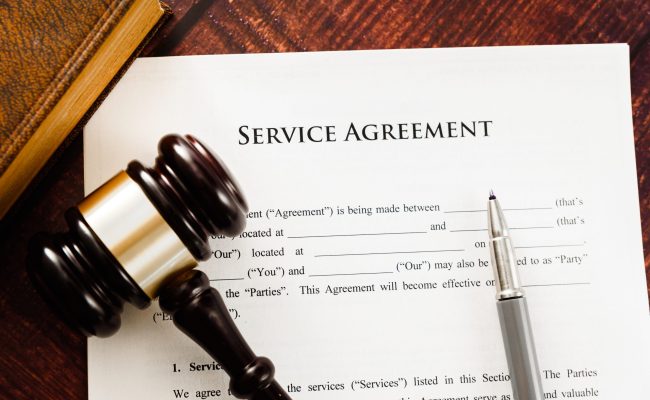
A Service Level Agreement is a contractual document that defines the services a provider must deliver and the standards expected by the customer.
It explains what the provider must do, how performance will be measured and what happens when agreed standards are not met.
An SLA may form part of a larger service agreement or operate as a separate document.
Why Does Your Business Need an SLA?
An SLA helps establish accountability between businesses and service providers.
It gives both parties a common understanding of the services being provided.
It also helps businesses monitor performance and identify problems before they become serious disputes.
For example, a company hiring an IT support provider may use an SLA to define response times, maintenance responsibilities and system availability expectations.
What Should an SLA Include?
A comprehensive SLA should address several important areas.
These include:
Names and details of the parties.
Description of the services.
Service delivery standards.
Performance targets.
Response and resolution times.
Reporting responsibilities.
Payment terms.
Confidentiality requirements.
Data protection obligations, where applicable.
Breach and dispute resolution procedures.
Termination conditions.
The agreement should use measurable standards rather than vague promises.
Understanding Service Performance Standards
Performance standards explain how a service provider’s work will be evaluated.
For example, an SLA may establish response times for customer support or maintenance requests.
It may also define delivery deadlines, system availability or reporting frequency.
These standards should be realistic and appropriate for the service.
Both parties should understand how performance will be measured and recorded.
What Happens When a Service Provider Fails to Meet Expectations?
An SLA should explain how service failures will be handled.
Depending on the agreement, the parties may use corrective action plans, escalation procedures, service credits or termination rights.
The agreement should also distinguish between minor service failures and serious or repeated breaches.
Clear remedies help both parties understand the consequences of poor performance.
How Can an SLA Protect Your Business Relationship?
A well-prepared SLA encourages communication and accountability.
It reduces uncertainty by documenting the agreed service standards.
It also provides a reference when disagreements arise.
Businesses should review SLAs regularly, especially when services change or the relationship expands.
Get Clearer Agreements With Your Service Providers
A service provider relationship should be based on clear expectations and accountability.
An appropriate SLA helps protect both parties while supporting consistent service delivery.
Success Squared Consulting encourages businesses to review their commercial agreements and establish clear contractual expectations.
Visit Success Squared Consulting to explore professional business support.
Frequently Asked Questions
What is the purpose of a Service Level Agreement?
An SLA establishes the services to be delivered, expected performance standards and responsibilities of the parties involved.
Is a Service Level Agreement legally binding in South Africa?
An SLA that forms a valid contract can be legally binding. Its enforceability depends on the agreement and applicable legal requirements.
What should a Service Level Agreement include?
It should include service descriptions, performance targets, responsibilities, payment arrangements, reporting requirements and procedures for handling service failures.
Who needs a Service Level Agreement?
Businesses that rely on external service providers can benefit from SLAs. Examples include IT companies, maintenance providers, cleaning businesses and consulting firms.
Can an SLA be changed after signing?
Yes. The parties can agree to amend an SLA. The agreement should explain how changes must be approved and recorded.